Shared Risk Factors Research consistently points to a handful of contributors: Family history of mood disorders, which raises risk for both conditions Trauma , especially in childhood, which is strongly linked to chronic depression in particular Chronic stress at work, in caregiving, or in financial or social conditions Substance use , which can precipitate, deepen, or mimic depression Medical conditions like hypothyroidism, chronic pain, and other systemic illnesses How Are MDD and PDD Diagnosed
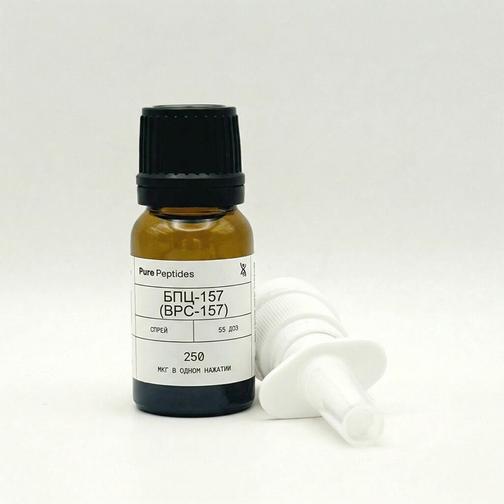
\n\n\n\n Preclinical studies examining injured tendons and ligaments found measurably greater blood vessel density in BPC-157-treated repair tissue compared to controls a finding that aligns with the accelerated healing outcomes reported across many organ systems in this research
The honest boundary is that even the coherent pairing is a mechanistic hypothesis with no human validation, so the most defensible research posture is to study the single compound at its documented dose first, and treat any combination as a further, clearly-labelled research question rather than a default
You will want to shut the system off, drain the water, and completely clean the system
A 250 mcg dose works the same whether it came from 5 units of concentrated solution or 25 units of dilute solution
Are you feeling fatigued, lethargic, or experiencing brain fog