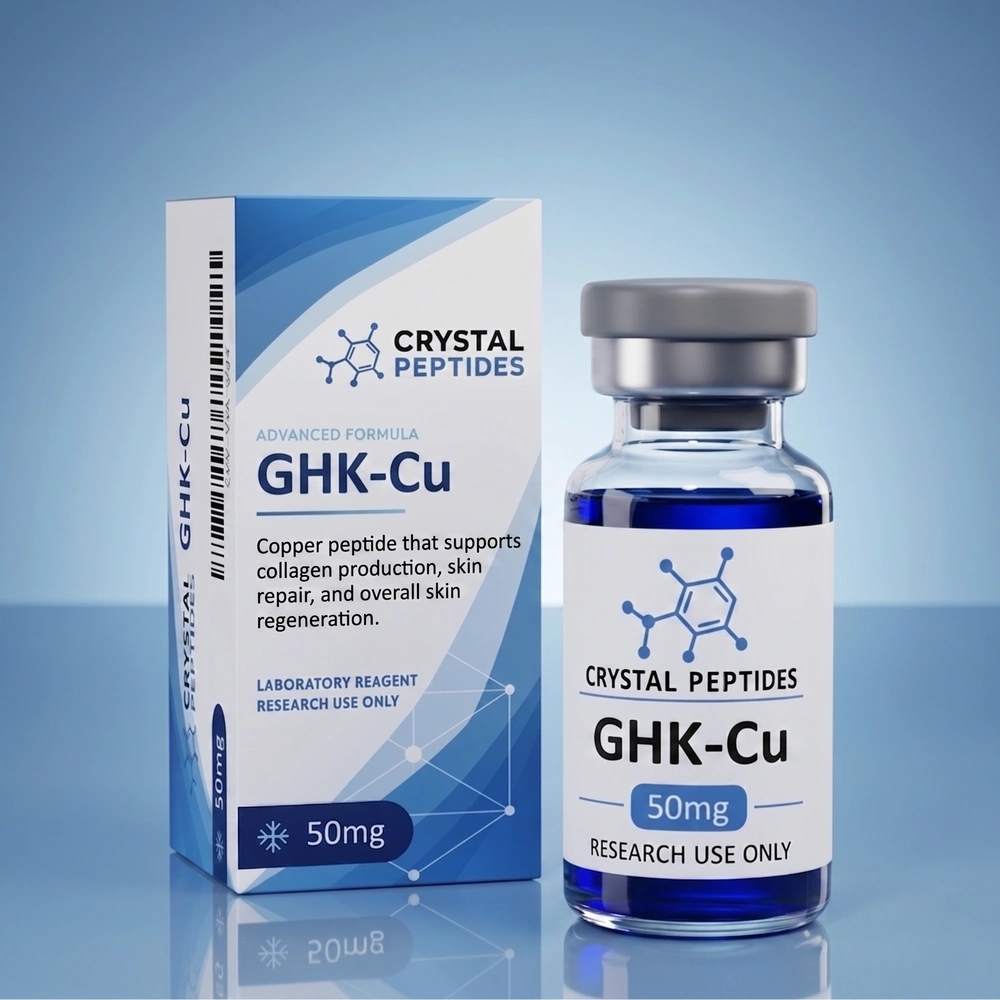
Easy measuring: At ~33.3 mg/mL, 1 unit 0.333 mg on a U-100 syringe
GHK-Cu (glycine-histidine-lysine copper, or copper tripeptide-1) is a naturally occurring copper peptide complex that mimics the body's own tissue-repair signal
Composition GHK-Cu: 50 mg BPC-157: 10 mg TB-500 (Thymosin Beta 4): 10 mg Appearance: lyophilized powder in a sealed research vial Research Focus (non-clinical) Combined evaluation of copper peptide, BPC-157, and TB-500 in in-vitro or ex-vivo assay systems Assay development, including chromatographic separation of three co-formulated peptides Stability characterization of a three-analyte lyophilized blend under laboratory storage conditions Method documentation for HPLC/LC-MS identity and purity assessments Documentation Analysis Report Important Notice For research use only Not for human consumption Not intended to diagnose, treat, cure, or prevent any disease Quality & Manufacturing Lot-specific COA Lyophilized for transit stability
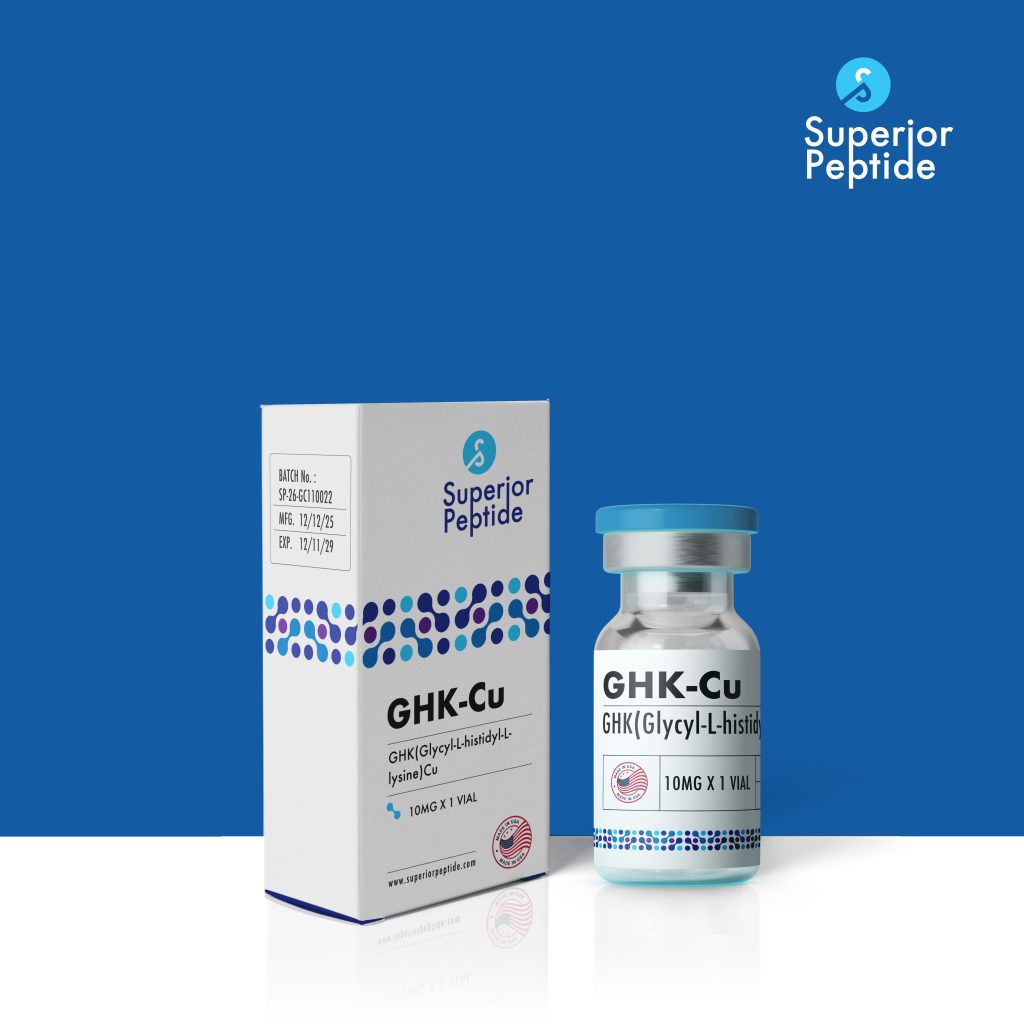
This page is written to help buyers map the peptide to common research, formulation, and evaluation contexts such as cosmetic formulations, peptide serums, research in skin repair systems while keeping the content commercially focused, academically grounded, and documentation-aligned
Quality control is crucial to minimize risks
Laboratory investigations demonstrate that GHK-Cu exhibits a copper binding affinity (log K = 16.1) that positions it perfectly within the physiological copper transport hierarchystronger than albumin but weaker than ceruloplasminenabling controlled copper transfer to cellular targets