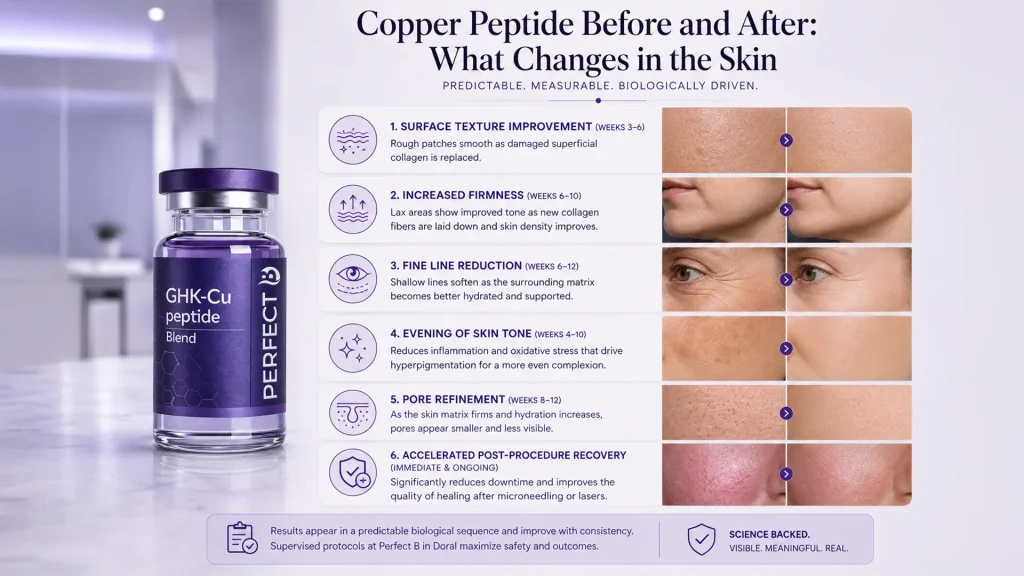
The GHK-Cu decision reflects a broader shift in how the FDA is approaching peptides with established safety records and clear endogenous precedent (i.e., the body already makes them)
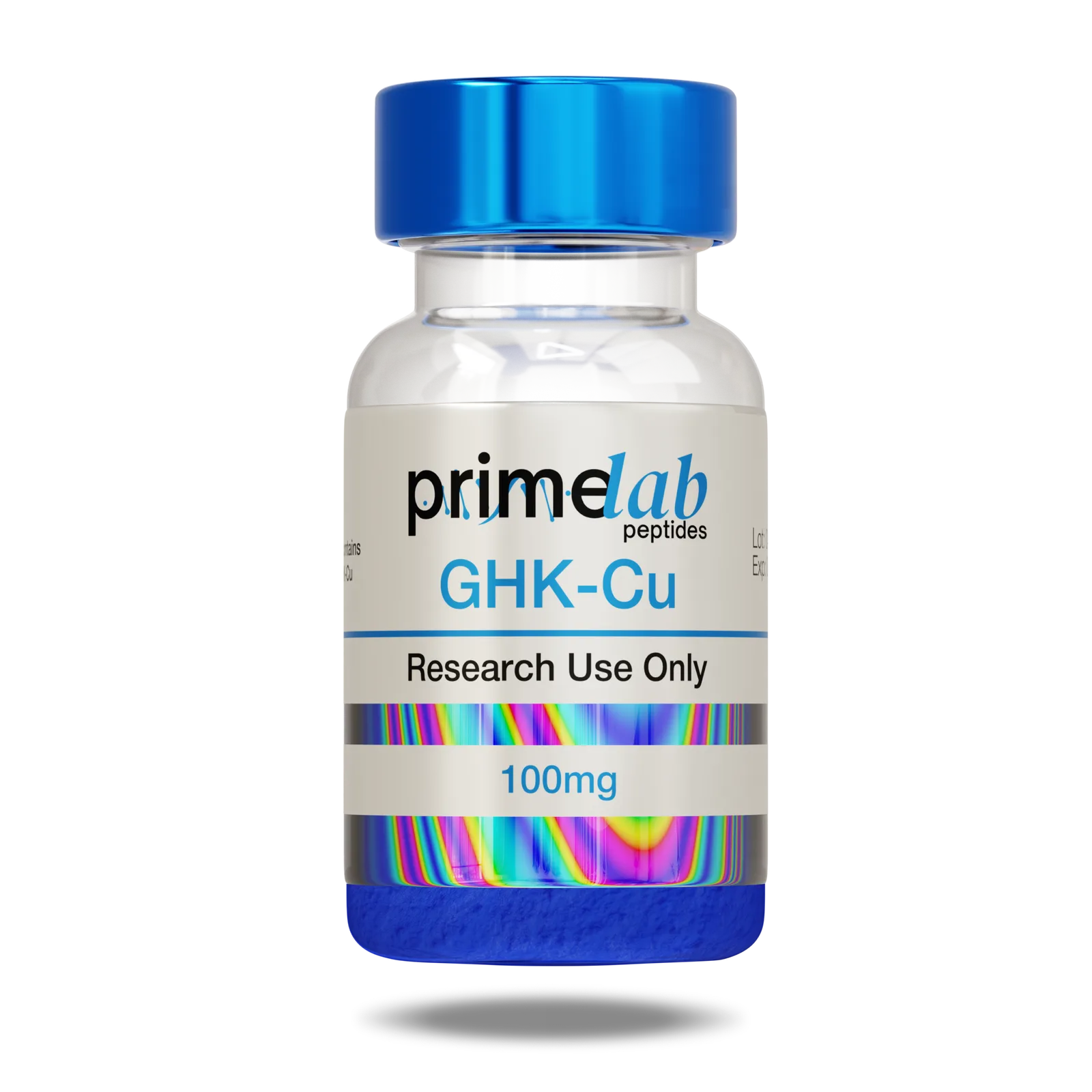
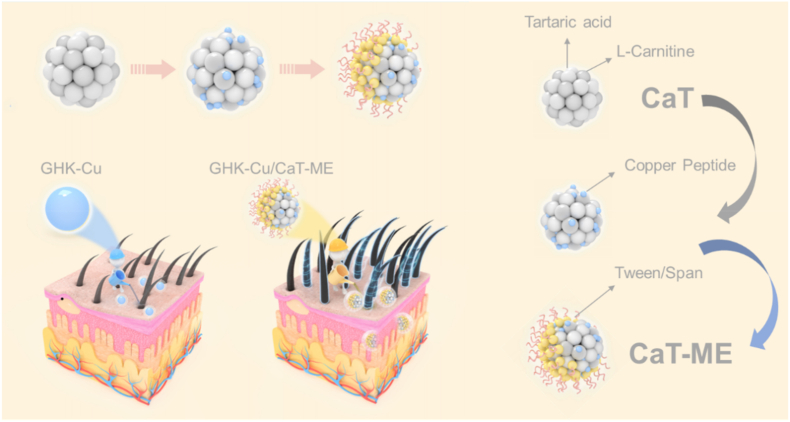
GHK-Cu is a copper-binding tripeptide (Gly-His-Lys complexed with copper), one of the most studied peptides in skin, collagen and tissue-remodelling research
Electron Paramagnetic Resonance (EPR) Spectroscopy EPR spectroscopy is uniquely suited for detecting unpaired electrons in paramagnetic metal centers like Cu
View GHK-Cu (Copper Peptide) Table of Contents Evidence Ledger: What the Research Actually Shows GHK-Cu: Mechanism with Real Numbers AHK-Cu: The Cosmetic Runner-Up What Most Pages Get Wrong About Copper Peptides and Hair Formulation Chemistry: Why the Rules of Thumb Exist Honest Head-to-Head: GHK-Cu vs Real Alternatives Operational and Label Literacy: How to Judge a Product Practical Protocol and Dosing FAQ Sources Evidence Ledger: What the Research Actually Shows GHK-Cu: Mechanism with Real Numbers GHK-Cu is a naturally occurring tripeptide (glycine-histidine-lysine) that forms a stable coordination complex with copper(II)
The extracellular copper in the form of Cu2 + is directly transported by divalent metal transporter 1 (DMT1), or also called solute carrier family 11 member 2 (SLC11A2), but unable to be used directly by the cells [19, 20]
Laboratory investigations across wound healing, skin regeneration, hair growth, cardiovascular protection, and musculoskeletal repair consistently demonstrate the value of multi-pathway activation for optimizing both the speed and quality of tissue repair in experimental models