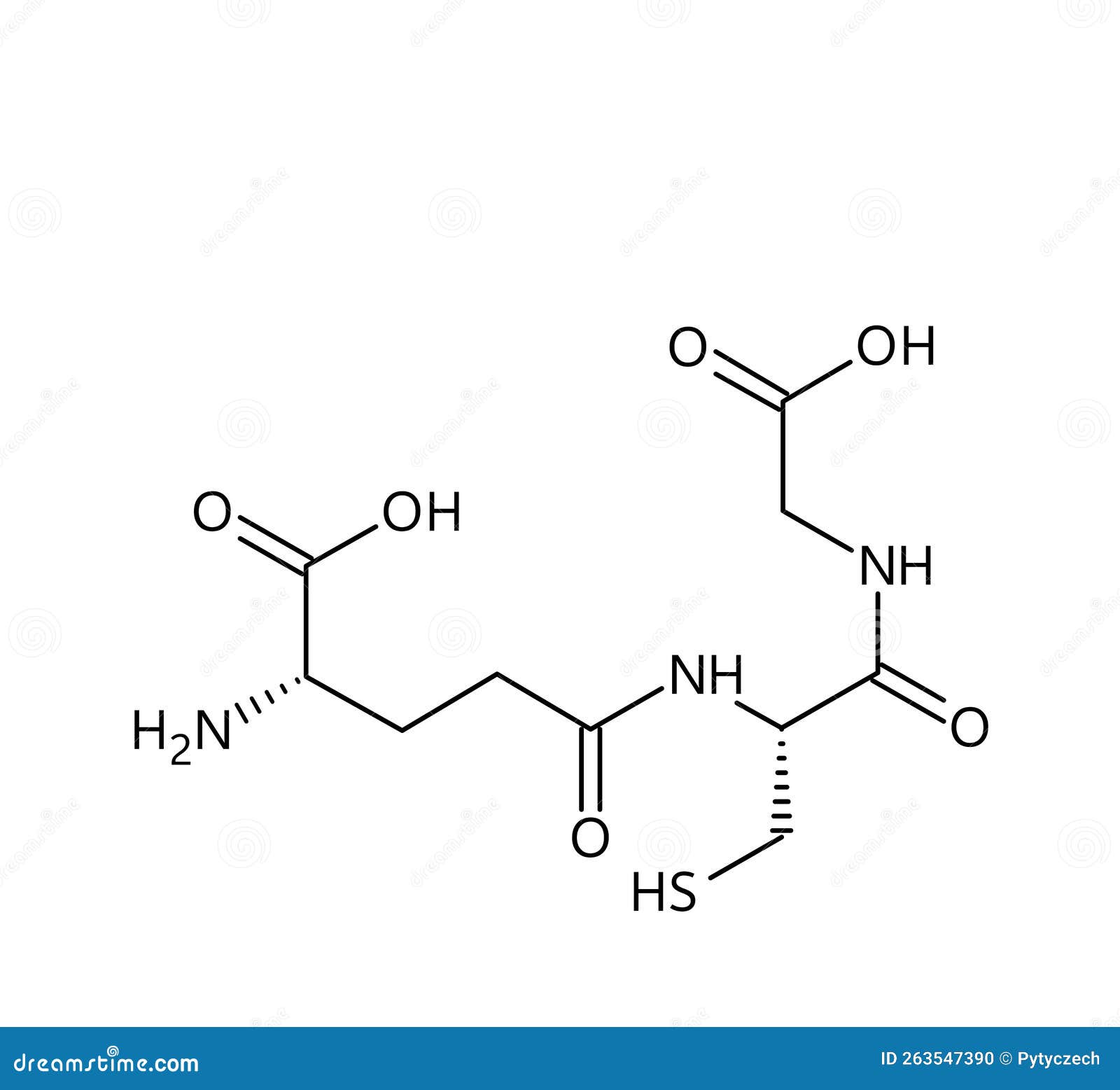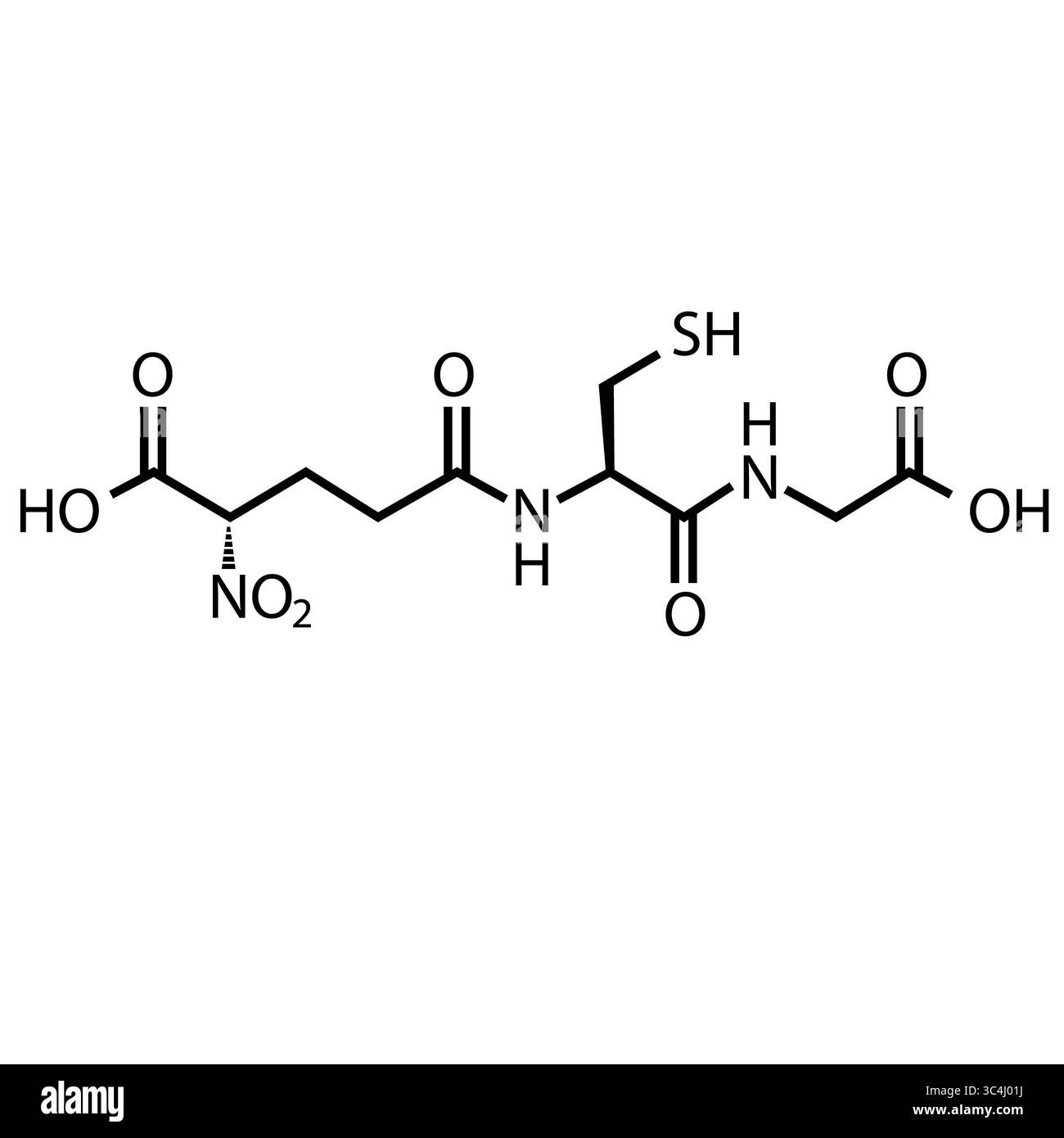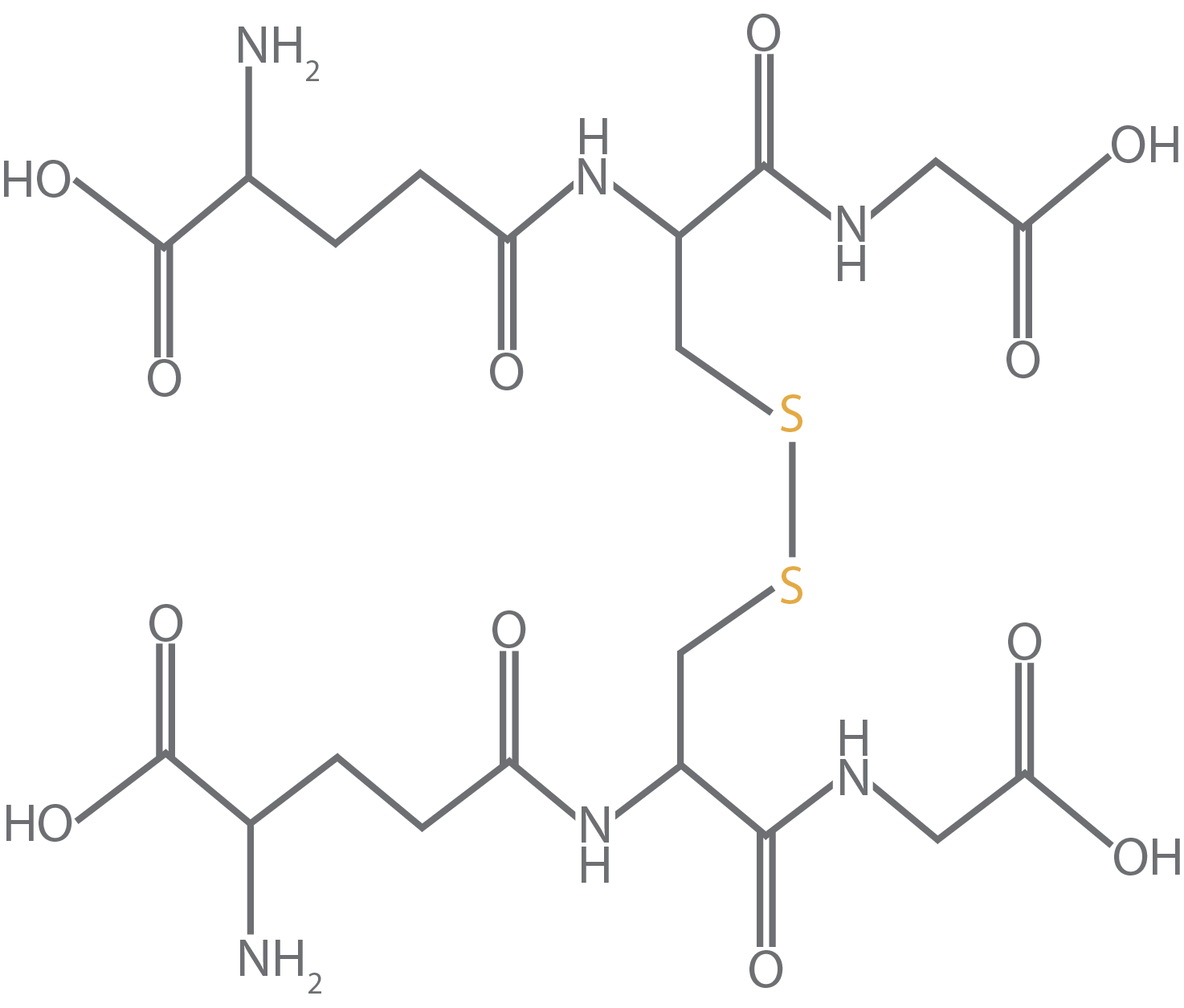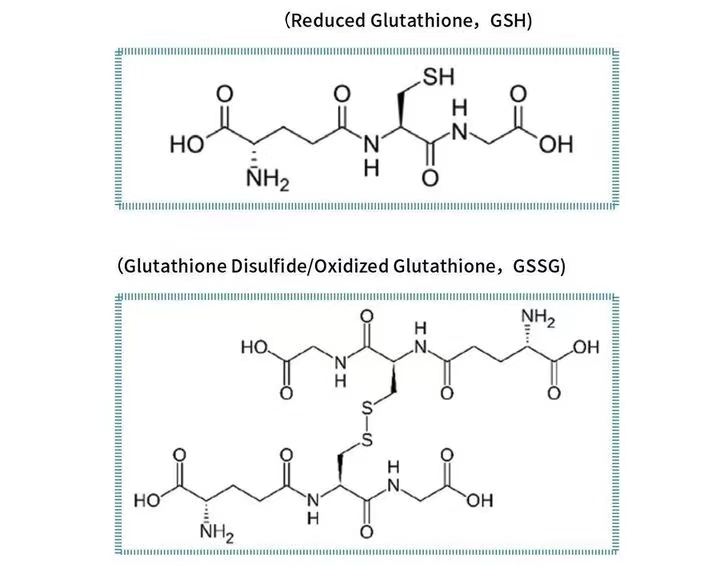
The scientific rationale for a nutritional approach Several studies have revealed in patients with vitiligo specific nutritional and biological characteristics that justify nutritional support: Major oxidative stress in melanocytes: justification for antioxidants (vitamin C, E, glutathione, selenium) More frequent deficiencies in vitamin D, vitamin B12, folate and zinc in several studies Melanin synthesis dependent on precursors (tyrosine, phenylalanine) and enzymatic cofactors (copper, zinc) Documented action of certain plants (Ginkgo biloba, Polypodium leucotomos) in randomized clinical trials What the nutritional approach does not do Let's be clear and honest: It does not cure vitiligo It does not replace medical treatments It does not work for all patients Results are not guaranteed What it can do Support the physiological mechanisms of repigmentation Address nutritional deficiencies commonly found Reduce oxidative stress documented in patients Enhance the efficacy of phototherapy according to several studies Fit into a holistic approach with healthy lifestyle habits and medical follow-up The nutritional approach is therefore positioned as a complementary tool , never central, but which can have its place in a comprehensive management plan

These amino acids also help with chronic respiratory conditions, fertility, and brain health
With regular use, glutathione therapy may help support: Neutralization of free radicals and reduction of oxidative stress Liver detoxification pathways and natural cleansing Immune system strength and cellular defense Skin tone, brightness, and healthy aging
Their thorough approach and dedication to your skins health are truly palpable
Self-management strategies amongst Australian women with endometriosis: a national online survey
pure science transparent results At Pure Health Peptides, we are committed to providing the clarity and confidence researchers need