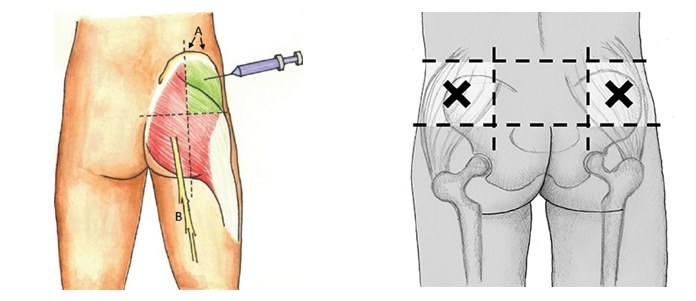
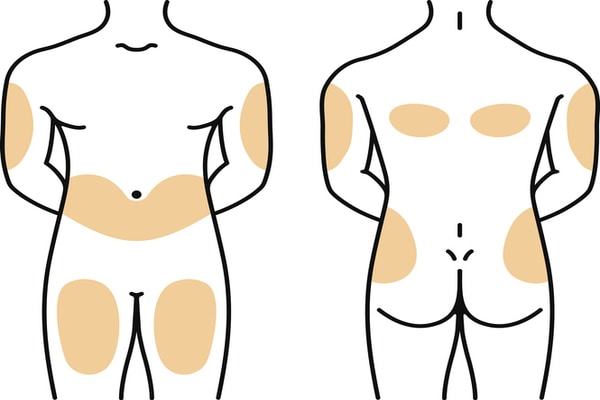
After 3 months, take a 2-month break before repeating
Class Propionic acid derivative NSAID Mechanism of Action Reversibly inhibits COX-1 and COX-2 Prostaglandin synthesis pain, inflammation, fever Indications Mild to moderate pain (headache, dental pain) Dysmenorrhea Musculoskeletal pain Fever Osteoarthritis & rheumatoid arthritis Acute inflammatory conditions Dosage Adults 200400 mg every 68 hours Maximum: OTC: 1,200 mg/day Prescription: 3,200 mg/day Children 10 mg/kg per dose every 68 hours (max 40 mg/kg/day) Adverse Effects Gastrointestinal Gastritis Peptic ulcer disease GI bleeding Renal Acute kidney injury Sodium & water retention Cardiovascular Blood pressure Thrombotic risk (less than COX-2 selective NSAIDs) Others Hypersensitivity reactions Bronchospasm (aspirin-sensitive asthma) Contraindications Active peptic ulcer disease Severe renal impairment NSAID hypersensitivity 3rd trimester of pregnancy Uncontrolled heart failure Drug Interactions Anticoagulants bleeding risk ACE inhibitors / diuretics renal function Other NSAIDs toxicity Take with food to reduce GI irritation Avoid chronic use in elderly Safer than aspirin for GI bleeding, but not risk-free Avoid dehydration while using Ibuprofen = reversible COX inhibitor with good anti-inflammatory effect To view or add a comment, sign in PROTON PUMP INHIBITORS (PPIs) Definition: PPIs are drugs that irreversibly inhibit the H/K ATPase (proton pump) in gastric parietal cells, leading to suppression of gastric acid secretion

Researchers should handle 5-amino-1mq with care and adhere to strict safety guidelines during experiments
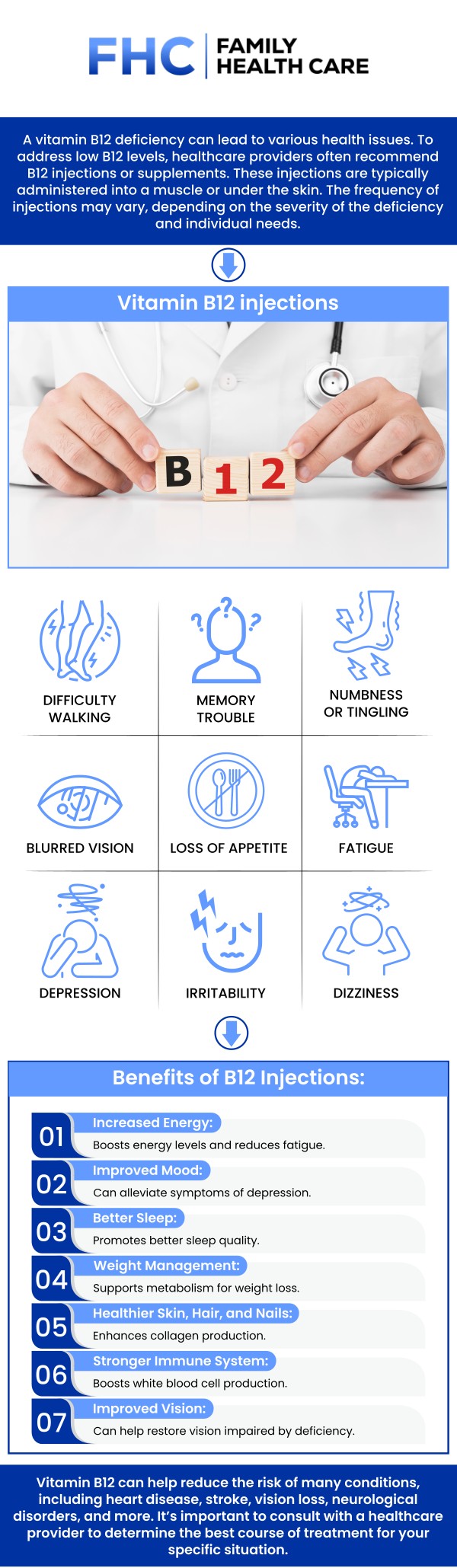
Because injectable B12 is so affordable, it is safer to just obtain a fresh supply
How the HCG Diet Works Phases of the HCG Diet Explained What Foods Are Allowed on the HCG Diet
It turns a vague chat about symptoms into a focused, evidence-based discussion, helping you get the support you need sooner