Here are a few points to consider: Avoid consuming more than tolerable upper intake levels
However, side effects and complications can include: itchy skin low blood pressure slowed breathing loss of bladder control fever flushed chest or face anxiety difficulty sleeping changes in the menstrual cycle diarrhea nausea temporary increase in blood sugar In severe breathing difficulty nerve damage prolonged numbness abscesses bleeding allergic reaction adrenal suppression epidural bruising infection spinal headache pain in the lower limbs or back paralysis Doctors may use a nerve block spinal injection to treat acute or chronic pain that may originate in the spine and can radiate to the arms, legs, buttocks, and neck
Key refrigeration guidelines include: Store in the main body of the refrigerator , not in the door where temperature fluctuations are more common due to frequent opening and closing Keep away from the freezer compartment to prevent accidental freezing, which permanently damages the medication Never freeze GLP-1 medications frozen medication must be discarded even if subsequently thawed [1] [2] Protect from light by keeping medications in their original carton until ready for use Avoid storing near cooling elements or at the back of the refrigerator where temperatures may drop below the recommended range Do not store pens with needles attached Many GLP-1 medications can be stored at room temperature for limited periods before use: Wegovy (semaglutide) : May be stored at room temperature (up to 86F/30C) for up to 28 days before use [1] [2] Trulicity (dulaglutide) : May be stored at room temperature (up to 86F/30C) for up to 14 days before use Mounjaro/Zepbound (tirzepatide) : May be stored at room temperature (up to 86F/30C) for up to 21 days before use Bydureon BCise (exenatide ER) : May be stored at room temperature for up to 4 weeks before use (per prescribing information) Patients should verify their refrigerator maintains appropriate temperatures using a refrigerator thermometer

[1] [2] [3] These reactions are usually temporary and resolve without intervention
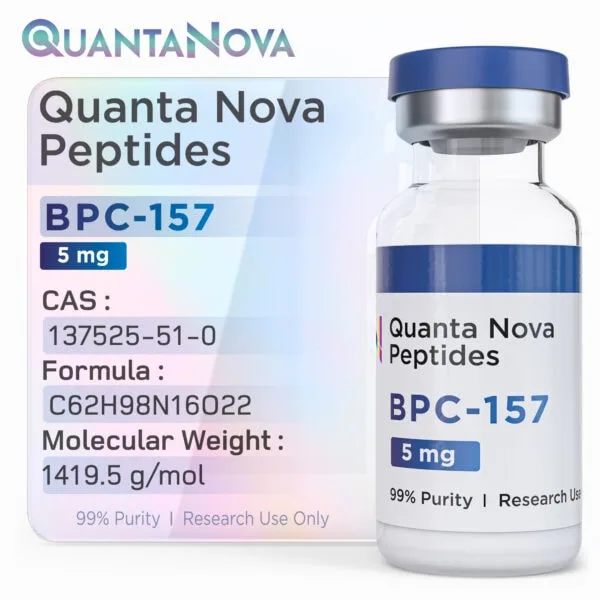
gentle inversion is sufficient Use Glass or Low-Bind Plastics: Peptides can adsorb to container surfaces Quality Control Visual inspection before each use (clarity, color, particulates) Document any observed changes Consider HPLC purity testing for long-term studies Maintain chain of custody and temperature logs Frequently Asked Questions How long does reconstituted BPC-157 last in the refrigerator
W.LuR.ShaoB.SangY