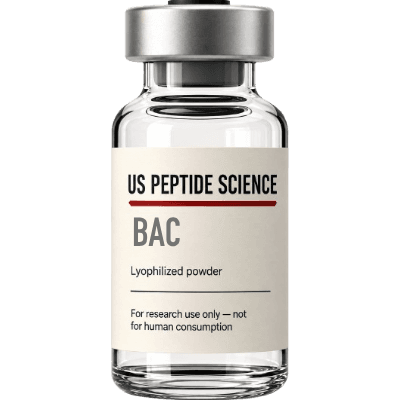
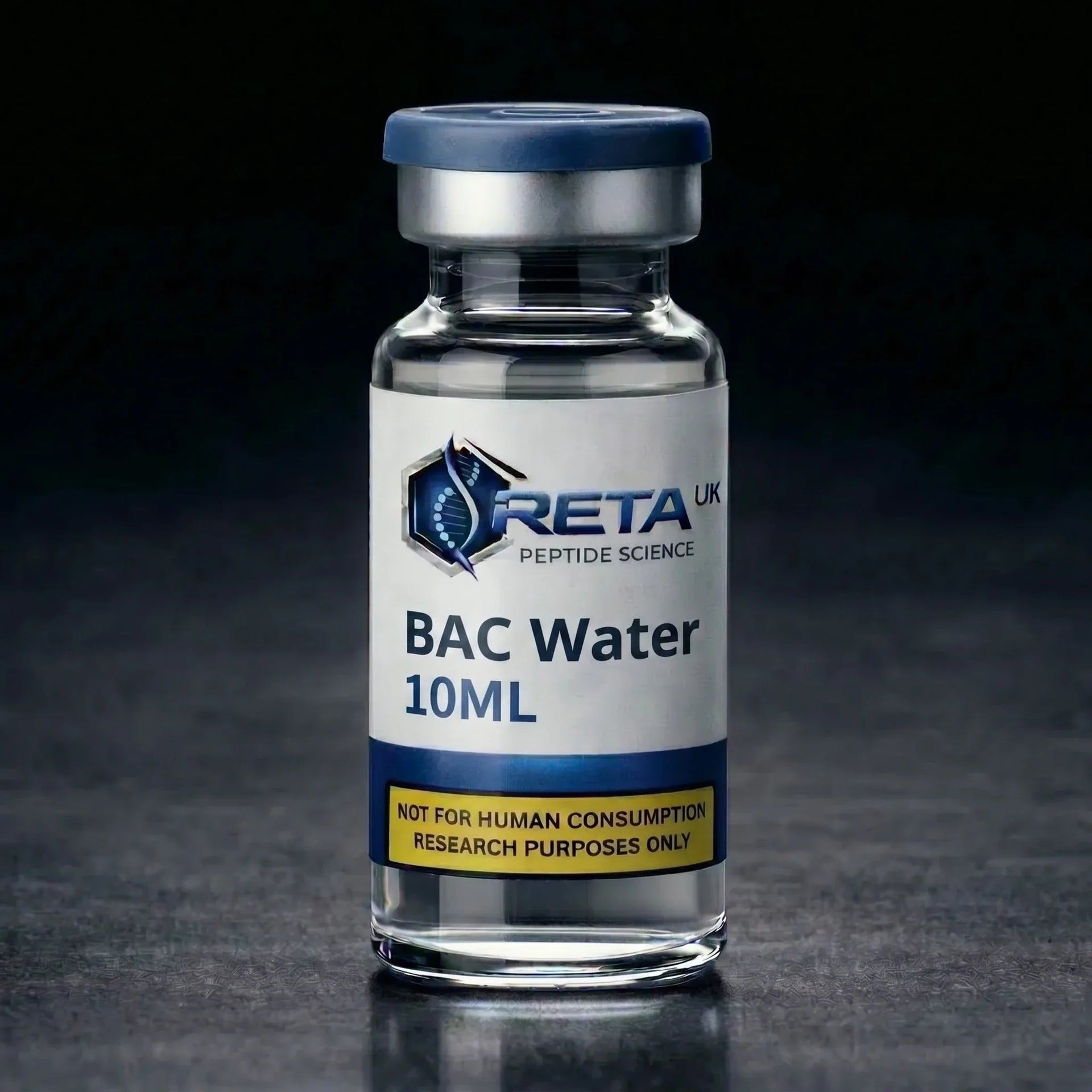
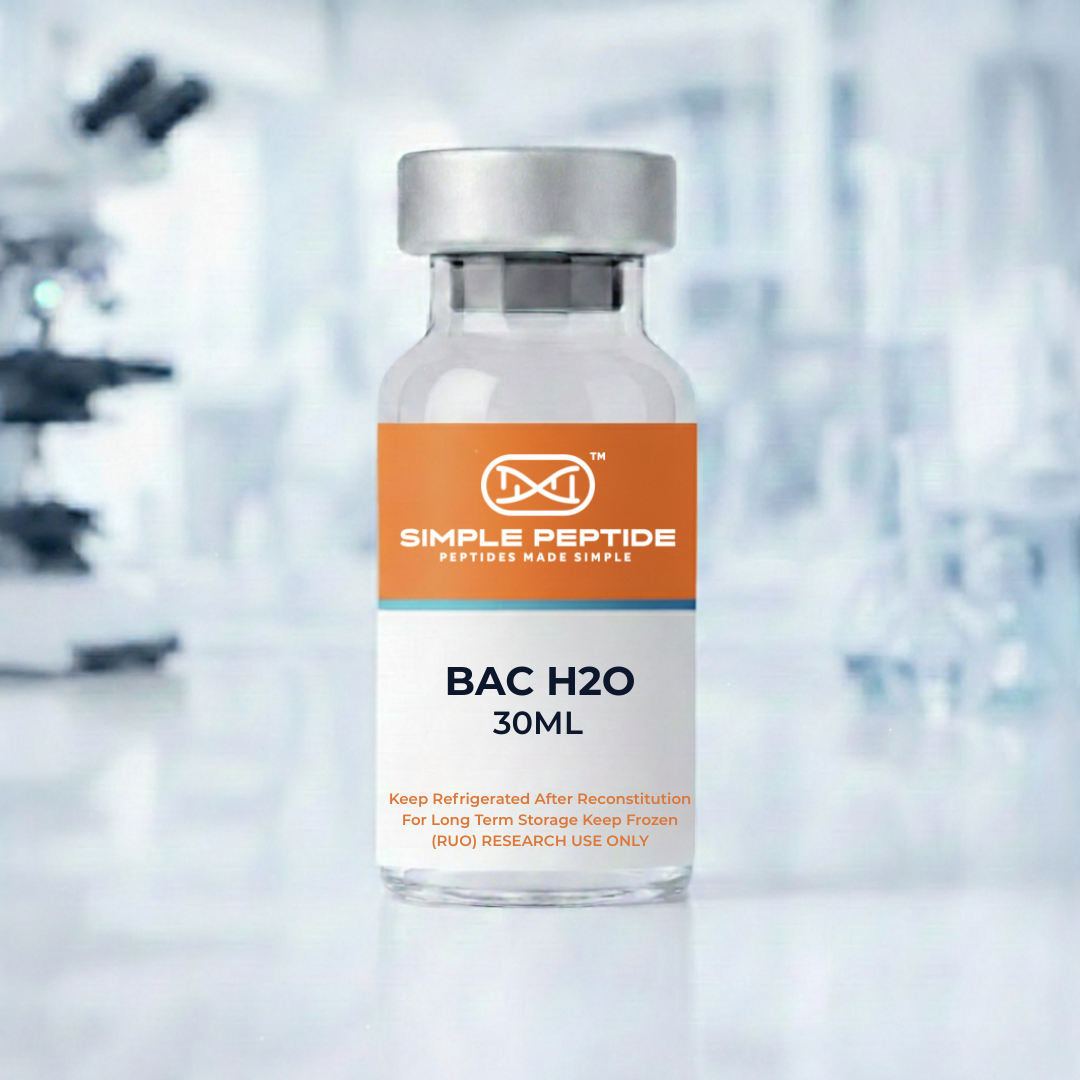
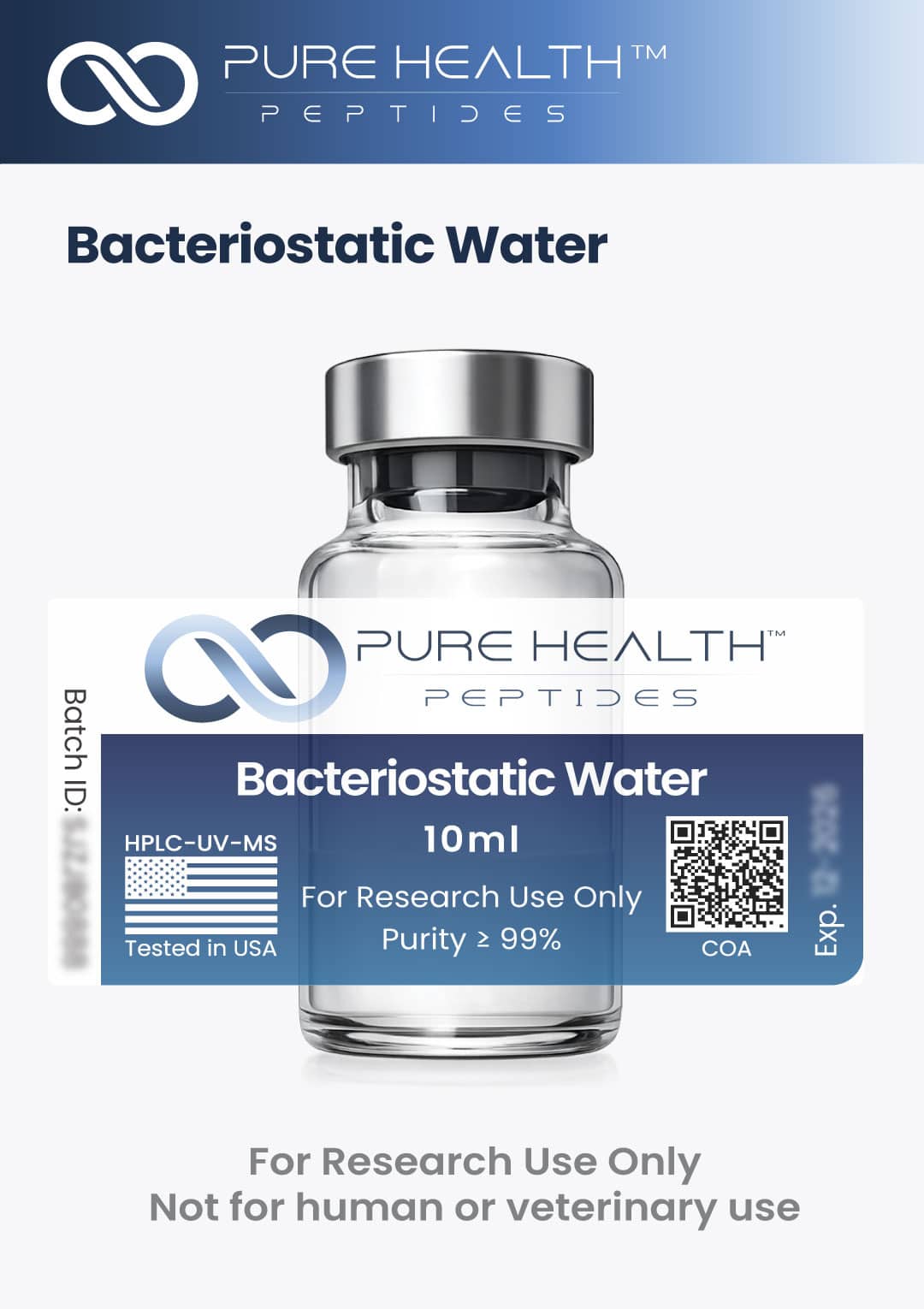
Do not use: Sterile water for injection (lacks preservative, risking bacterial growth) Normal saline without bacteriostatic agent Distilled water or tap water Other diluents or carriers Step-by-Step Reconstitution Before starting: Gather all supplies: lyophilised IGF-1 vial, bacteriostatic water, sterile syringes (appropriate size), sterile needles (23-25 gauge), alcohol pads, weighing scale (if determining exact peptide weight) Work in a clean environment (ISO Class 6-7 clean room is ideal, but a clean work surface with proper aseptic technique is acceptable for research-grade work) Wash hands thoroughly Ensure the IGF-1 LR3 vial has reached room temperature (do not attempt reconstitution with cold vials, as this affects dissolution) Reconstitution procedure: Prepare the vial: Wipe the rubber septum (the rubber stopper) of the IGF-1 vial with an alcohol pad
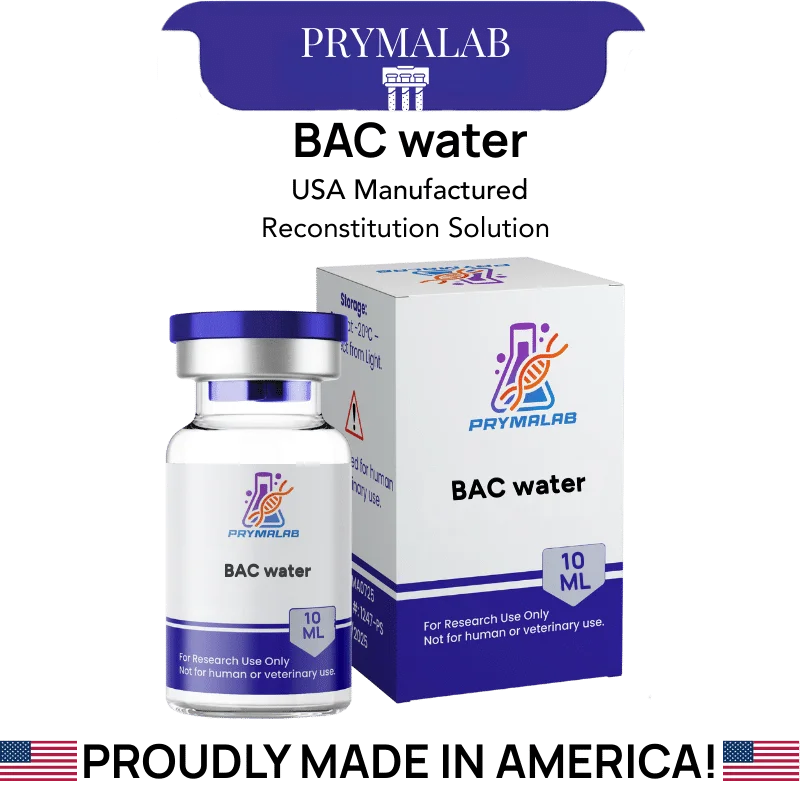
Directions: Preparation: Reconstitute the contents of the vial with the supplied bacteriostatic water before use, following the exact amount as per the physician's guidelines
RESEARCH USE ONLY Not for human or veterinary use
Higher therapeutic doses range from 500-1000 mcg daily, with some protocols reaching 1500 mcg for specific conditions
One of the solutions we offer is B12 shots and lipotropic injections in Upper Marlboro, Maryland
The Science Behind BPC-157, 10mg Product Name: BPC-157 Strength:10mg Chemical Name: Body Protection Compound-157 CAS Number: 137525-51-0 Molecular Formula: CHNO Molecular Weight: 1419.56 g/mol Amino Acid Sequence: Gly-Glu-Pro-Pro-Pro-Gly-Lys-Pro-Ala-Asp-Asp-Ala-Gly-Leu-Val Appearance: White to Off-White Lyophilized Powder Classification: Synthetic Pentadecapeptide Purity: Verified by analytical testing prior to release Analytical Methods: HPLC, Mass Spectrometry (MS) How BPC-157, 10mg Is Studied in Recovery & Regeneration Research Tissue Repair Healing & Inflammation