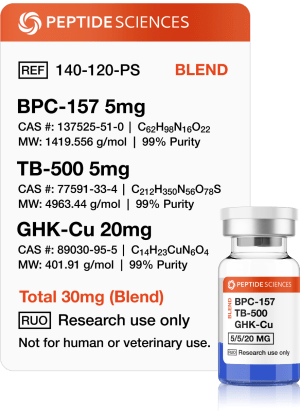
What this microinfusion molecule guide covers This guide is for you if Ideal Reader You already own or are considering an at-home microinfusion device and want to understand what's actually being delivered into your skin You've seen the PDRN, EGF, and GHK-Cu labels on serums and want clinical context, not influencer language You're choosing between in-clinic AquaGold and at-home alternatives and want the molecular case for each You want sourced answers, not "this peptide is amazing" deflections You can skip this if You want a buyer's framework for which microinfusion device to purchase (read our companion at-home microinfusion device guide instead) You're looking for derma roller or motorized microneedling pen guidance (different mechanism, different content) You want a one-paragraph yes-or-no recommendation without molecular context You're pregnant or breastfeeding (microinfusion is generally deferred until postpartum
The mechanism of action of FOXO4-DRI lies in its ability to competitively interfere with the binding of endogenous FOXO4 to the p53 proteina central regulator of the cell cycle and apoptosis
The first common trap involves structural costs masked as non-recurring expenses, like a "one-time" IT consulting fee that actually appears in the general ledger every year
Deal prospects : Companies with declining financial performance but valuable assets or market positioning
GHK-Cu's Effectiveness Supported by Clinical and Scientific Evidence Various studies have proven the skin rejuvenation and anti-aging effects of GHK-Cu
Genetic sensitivity to DHT causes progressive follicle miniaturization in characteristic patterns