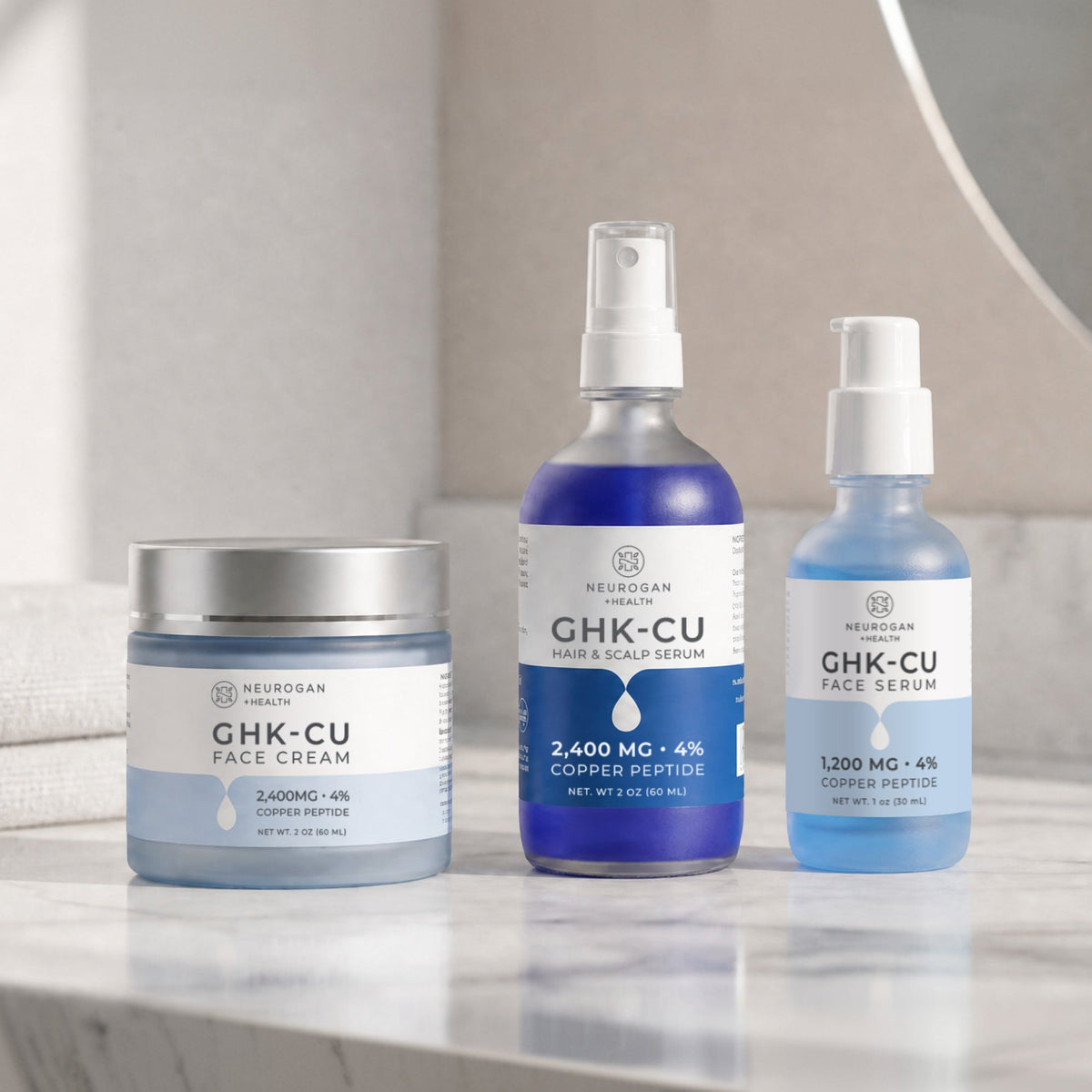
Pigmentation Disorders and Melanogenesis Regulation GHK-Cu influences melanogenesis through complex, concentration-dependent mechanisms with potential applications in both hyperpigmentation and hypopigmentation disorders
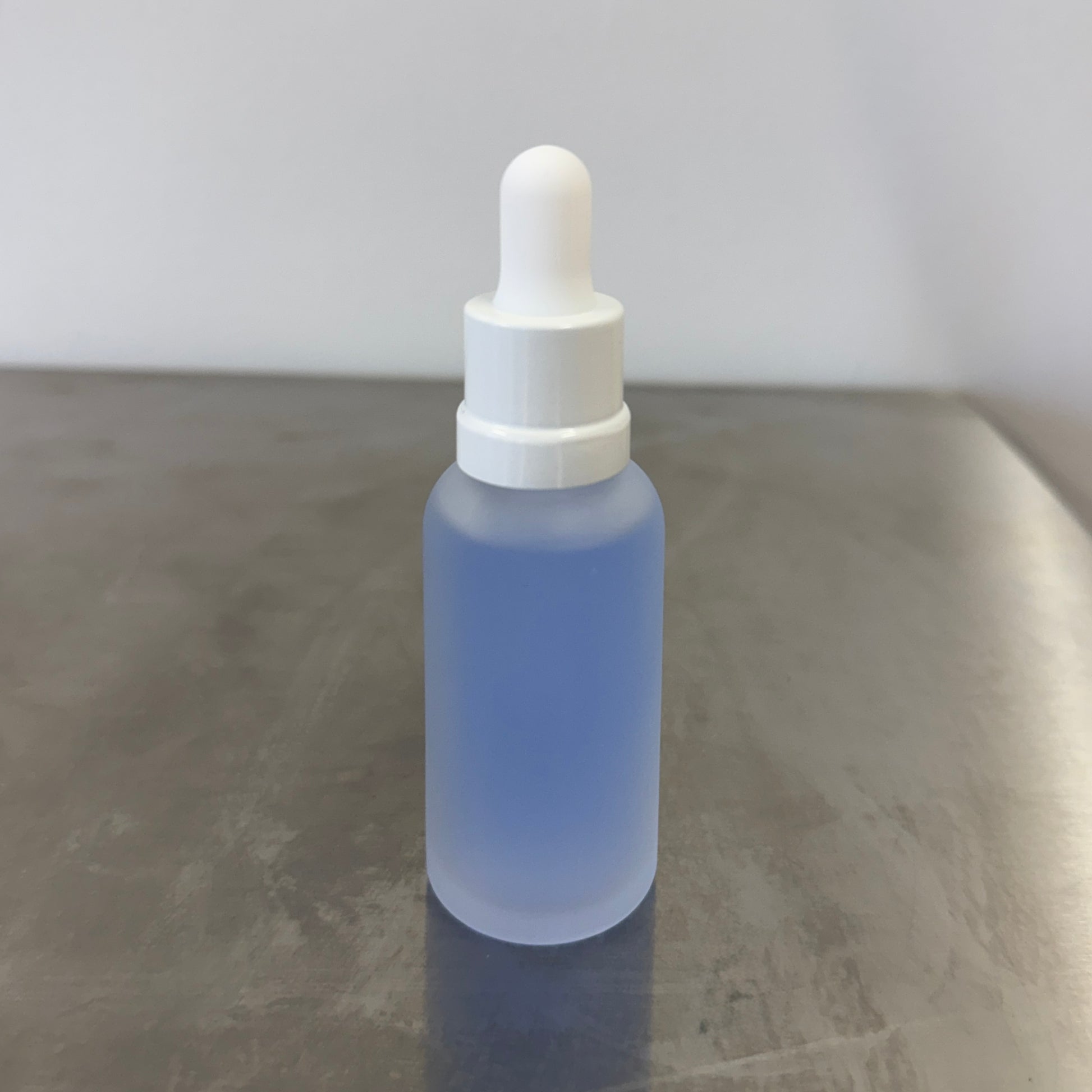
Visual signs of degradation Injectable GHK-Cu changes: Clear to cloudy (bacterial growth or precipitation) Color change (bluish, greenish tint from copper oxidation) Particles floating in solution Separation or settling Topical serum changes: Darker color (oxidation) Layer separation Texture changes (thicker or thinner) Crystallization Powder changes: Color darkening Clumping (moisture absorption) Greenish or bluish tint Loss of fine powder consistency Smell and texture changes Off odors: Metallic smell intensifying (some metallic odor is normal for copper peptides) Sour or rancid smell (bacterial contamination or lipid oxidation in serums) Any unusual smell different from when first opened Texture issues: Serum becoming grainy Unusual thickness or thinning Sticky residue Separation that doesn't re-mix Effectiveness loss Signs of reduced potency: Reduced healing speed (injectable) Less visible skin improvement (topical) Need to use more product for same effect Complete lack of expected results When in doubt: Discard and get fresh product
This drug is being tested in clinical trials conducted with depressed and chronic pain patients but not AD [29]
First, the complex appears to act as a copper transporter, delivering ionic copper to cutaneous cells where it may activate copper-dependent enzymes involved in extracellular-matrix remodeling and angiogenesis
Lab-tested batch with full traceability Sealed pharmaceutical pack Discreet UK tracked delivery Add 4 more pens for 10% off
Our products contain very high levels of premium quality hair-protective ingredients