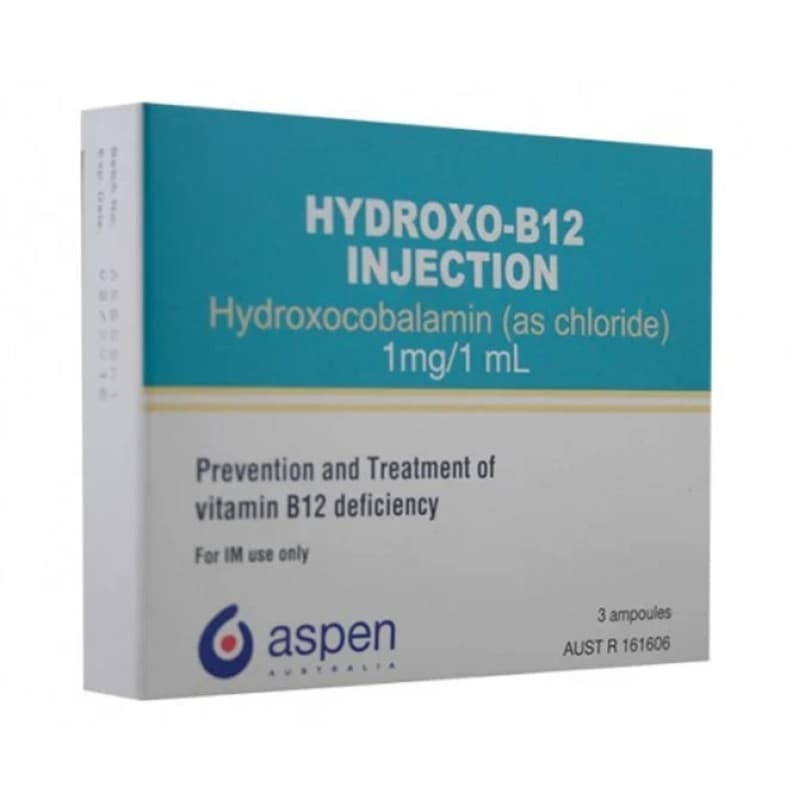
National Institutes of Health (NIH) recommends the following daily amounts: Infants (06 months) : 0.4 mcg Children (18 years) : 0.91.2 mcg Adolescents (913 years) : 1.8 mcg Teens (1418 years) : 2.4 mcg Adults : 2.4 mcg Pregnant : 2.6 mcg Lactating : 2.8 mcg 4.2 Oral Supplementation For individuals at risk of deficiencyor those aiming for optimal neurological supporthigher oral doses are often used: Maintenance : 1,000 mcg daily of methylcobalamin Correction : 2,0005,000 mcg daily until blood markers normalize Form : Methylcobalamin preferred for direct nervous system uptake, though cyanocobalamin is also effective
The company website doesnt offer much in the way of purported product benefits, however
Its use is important in treating deficiencies and supporting overall metabolic and neurological health
Professor Ngs research contributions to AOD-9604 development include: Synthesis and characterization of the modified C-terminal growth hormone fragment with enhanced stability Design of the tyrosine N-terminal modification to improve peptide stability and half-life Preclinical studies demonstrating lipolytic effects in obese animal models Advancement of the peptide through multiple phases of clinical development Investigation of mechanisms underlying beta-3-adrenergic receptor modulation His work established the foundation for understanding peptide-based approaches to metabolic regulation, though clinical translation ultimately proved unsuccessful
Pernicious AnemiaPernicious anemia is a blood disorder in which the body does not make enough red blood cells due to a lack of vitamin B12 in the blood
Hycomin Injection is recommended to clients who are looking to improve their health condition